 |
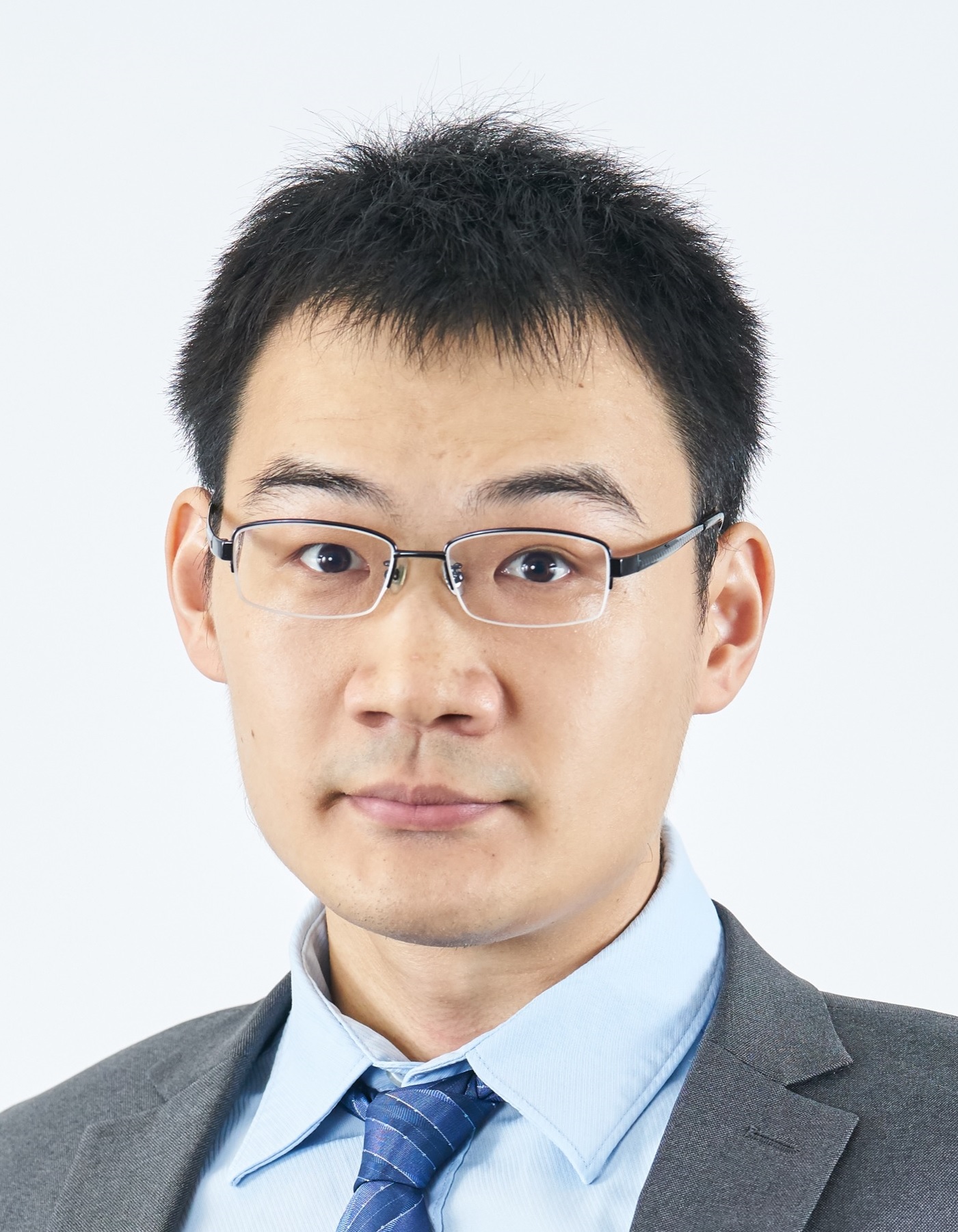
Dr. YiTang Associate Professor Nanyang Technological University |
Biography
Dr. Yi Tang received the B.Eng. degree in electrical engineering from Wuhan University, China, in 2007, and the M.Sc. and Ph.D. degrees in electrical engineering from the School of Electrical and Electronic Engineering (EEE), Nanyang Technological University (NTU), Singapore, in 2008 and 2011, respectively.
From 2011 to 2013, he was a Senior Application Engineer with Infineon Technologies Asia Pacific, Singapore. He subsequently joined Aalborg University, Denmark, as a Postdoctoral Research Fellow from 2013 to 2015. Since 2015, he has been with the School of EEE at NTU, where he is now a tenured Associate Professor and serves as Associate Chair (Graduate Studies). His research interests include power electronics and its applications in smart grids and e-mobility systems. He has authored over 150 papers in leading IEEE journals in power electronics, with more than 15,000 citations and an h-index of 64.
Dr. Tang received the Infineon Top Inventor Award in 2012, the NTU Early Career Teaching Excellence Award in 2017, and multiple IEEE Prize Paper Awards. He serves as an Associate Editor for the IEEE Transactions on Power Electronics and the IEEE Journal of Emerging and Selected Topics in Power Electronics.
From 2011 to 2013, he was a Senior Application Engineer with Infineon Technologies Asia Pacific, Singapore. He subsequently joined Aalborg University, Denmark, as a Postdoctoral Research Fellow from 2013 to 2015. Since 2015, he has been with the School of EEE at NTU, where he is now a tenured Associate Professor and serves as Associate Chair (Graduate Studies). His research interests include power electronics and its applications in smart grids and e-mobility systems. He has authored over 150 papers in leading IEEE journals in power electronics, with more than 15,000 citations and an h-index of 64.
Dr. Tang received the Infineon Top Inventor Award in 2012, the NTU Early Career Teaching Excellence Award in 2017, and multiple IEEE Prize Paper Awards. He serves as an Associate Editor for the IEEE Transactions on Power Electronics and the IEEE Journal of Emerging and Selected Topics in Power Electronics.
Title
Beyond 99% Efficiency: Soft-Switched Multilevel Converters
Abstract
The rapid growth of AI data centres and transportation electrification is driving an urgent need for more efficient, compact, and scalable power conversion systems. This lecture presents recent advances in soft-switched multilevel converters as an enabling approach for next-generation power electronics. By combining multilevel conversion with soft-switching techniques, these systems significantly reduce losses while improving both efficiency and power density. A key highlight is our recent development of trapezoidal current mode control, which fully exploits multilevel voltage modulation to enable soft switching while reducing current stress, opening a pathway toward ultra-high power conversion efficiency beyond 99%, enabling more sustainable AI data centres and e-mobility systems.